


Gharapjhong climate conference issues 49-point declaration, voicing for climate justice
Mustang: The Gharapjhong climate conference held here for two days issued a 49-point declaration, reinforcing the demand of climate justice on Wednesday.
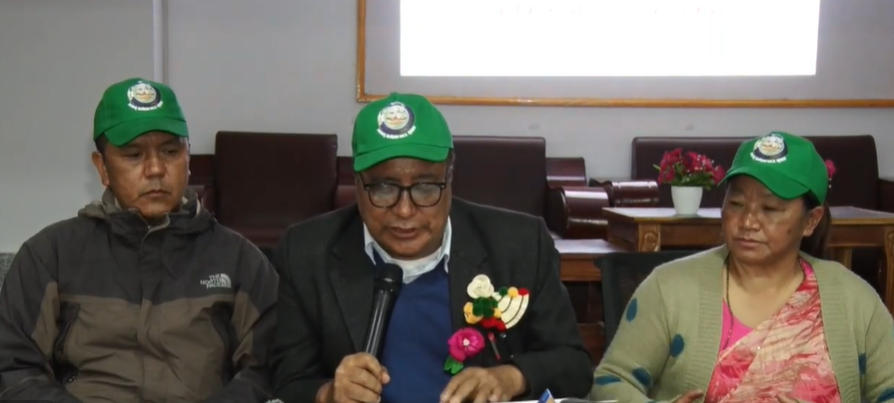
The Gharapjhong declaration was issued by chair of Gharapjhong rural municipality, Mohan Singh Lalchan, after the completion of the national event attended by experts and local level representatives from seven provinces.
The document has underscored common responsibility to cope with impacts of climate change. The declaration mentioned issues such as climate resilience, early warning to reduce impacts of climate change, consideration of possible climate risk before launching development activities, land use and safe human settlements, conservation of water sources, guarantee of water safety, livestock-friendly climate adaptation, sustainable tourism, climate finance, resource mobilization, establishment of local climate fund and transparency of climate budget.
Other topics given emphasis in the declaration are recognition to loss and damage, displacement caused by climate-induced disasters, existence of mountain community, leadership of women and marginalized community in climate governance, respect for local knowledge, youth participation, cooperation on the issues of knowledge, science and information technology, development of circular economy and participation of private sector in green energy.
The participants in the event underscored robust collaboration among three tiers of government to better cope with climate change impacts, strengthening institutional capacity of local levels and amplification of their voices on national and international forums, launch of investment in scientific research on climate crisis in the Himalayan region, monitoring of glaciers and glacial lakes, access to direct, adequate, predictable and grant-based climate finance for adaptation and disaster risk reduction.
They also called for paying heed to experiences, needs and rights of the most climate-vulnerable communities in terms of climate change.
Evidence-based disaster risk assessment and mapping along with establishment of legal and other necessary frameworks to allocate responsibilities and resources can be effective measures in this sector, the document suggested.
The representatives from 421 local governments from across seven provinces and 36 district coordination committees attended the conference.
RSS






Comments