


Kathmandu pollution may persist until monsoon, says climate expert Dr Das (interview)
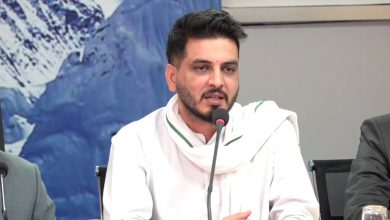
March 14, Kathmandu: Recent rainfall has slightly improved air quality in the Kathmandu Valley, but experts warn the relief may be temporary. In an interview with editor Kaushal Ghimire, environmental specialist Bhupendra Das explains why pollution levels remain high and when residents might expect meaningful improvement.
Please listen to the audio interview by pressing the play button or read the text below
Q: Kathmandu’s pollution levels were very high recently, but rainfall over the past two days seems to have improved air quality slightly. How does rain help reduce pollution?
Das: Rainfall has what we call a flushing effect in the atmosphere. When it rains, pollutants—especially particulate matter such as PM2.5 and PM10—are washed down and settle on the ground. This temporarily clears the air and sometimes allows us to see a blue sky. However, this effect is subtle and temporary, so pollution levels may rise again.
Q: Kathmandu is often described as a bowl-shaped valley. How does its geography contribute to pollution getting trapped here?
Das: In a bowl-shaped valley like Kathmandu, wind circulation near the ground is limited because the valley is surrounded by mountains. Once pollutants enter the lower part of the valley, they cannot disperse easily. Another factor is temperature inversion. Normally, cold air stays above warm air, but during inversion the warm air sits above cold air near the surface. Pollutants get trapped in the colder air below, causing pollution levels to rise.

Q: Do you expect pollution levels to improve in the coming days?
Das: The recent rainfall has reduced pollution slightly, but the improvement may not last long. According to previous studies, April and May are typically the peak months for air pollution in Nepal. Forest fires, crop residue burning and other activities increase during this period. So there is a strong chance that pollution will remain high for the next two to three months.
Q: When can Kathmandu expect more lasting improvement in air quality?
Das: Significant improvement usually begins when the monsoon arrives, typically from June onwards. Monsoon rainfall helps clean the atmosphere more regularly. Until then, we may see occasional short-term improvements after rainfall, but the overall pollution problem will likely persist.
Q: What short-term steps can authorities and citizens take to reduce pollution and protect public health?
Das: Authorities need to focus on implementing existing policies and allocating proper budgets for air quality management, research and urban planning. At the same time, the public can also help. People should avoid burning waste or crop residue and should try to prevent forest fires. During high pollution days, wearing masks outdoors can also help protect health. Addressing air pollution requires coordinated action from both the government and citizens.

Comments