


Experts stress fact-checking to curb election-related misinformation
Kathmandu, Jan 24: Information technology and media experts have warned that both supporters and opponents of political parties are increasingly spreading misinformation, online and offline, in the run-up to the upcoming House of Representatives (HoR) elections.
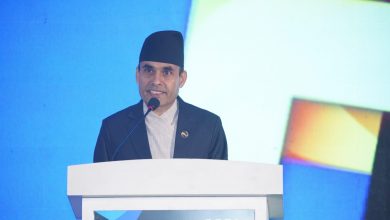
Speaking at the Kathmandu Conference on Combating Misinformation 2026 on Friday, the experts urged the public, media, and institutions to remain vigilant, noting a noticeable surge in the amplification of misleading and false information ahead of the polls.
Researchers and speakers at the conference emphasized the need to strengthen media literacy to counter the growing trend of misinformation and disinformation. They underlined that informed and critical audiences are essential to safeguarding the credibility of information during the election period.
On the first day of the two-day event, journalism students presented their ongoing research and received feedback from Prof Dr Padma Rani of the Manipal Institute of Communication, Manipal Academy of Higher Education. The session also featured informal discussions on emerging issues in communication and journalism.
Experts at the conference highlighted key concerns including journalism education, media literacy, ethical challenges posed by user-generated content, and the current state of fact-checking mechanisms in Nepal. They stressed that enhancing institutional fact-checking and strengthening journalism education are crucial to effectively tackling misinformation.
Acting Dean of the Faculty of Humanities and Social Sciences at Tribhuvan University, Dr Bamdev Adhikari, observed that a “digital war” is unfolding on social media platforms, making critical analysis essential to distinguish facts from falsehoods.
Echoing similar concerns, media expert Dr Binod Bhattarai warned that journalism could further decline if public-interest content backed by rigorous fact-checking is not prioritized, noting significant changes in how audiences consume media today.

Comments