


Four decades of success: Nepal’s breeding center releases over 2,300 endangered gharials
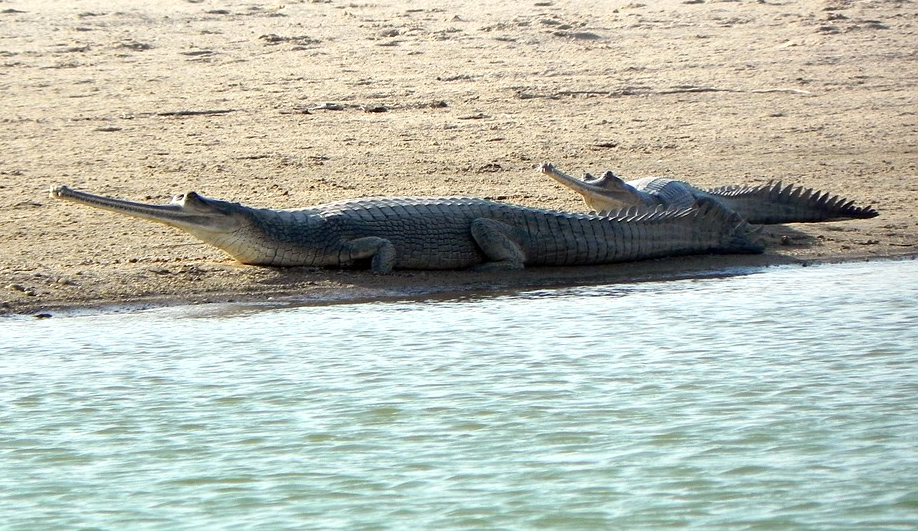
CHITWAN, June 15: A decades-long rescue mission has successfully introduced more than 2,300 endangered Gharial crocodiles into Nepal’s river systems, though conservationists warn that a harsh survival bottleneck awaits them in the wild.
Over the past 45 years, the Gharial Crocodile Breeding Centre in Chitwan National Park has released 2,315 of the prehistoric reptiles into various habitats. The Rapti River received the vast majority of the population at 1,560 individuals, including a recent batch of 225 crocodiles (14 males and 211 females) released during the current fiscal year. The center has also targeted the Narayani, Saptakoshi, and Karnali rivers for population restoration.
Despite these massive captive-breeding milestones, wild populations have stubbornly plateaued. A census conducted last year recorded just 366 individuals across both the Rapti and Narayani rivers—a stark reminder of the challenges the species faces once leaving the sanctuary.
The Gharial (Gavialis gangeticus), instantly recognizable by its long, thin snout, is locked in a critical battle against extinction. Globally, its wild population suffered a catastrophic collapse, plummeting from an estimated 10,000 in the 1940s to just two percent of that number by 1970. The crisis prompted the establishment of the Chitwan breeding center in 1975, a time when fewer than 100 Gharials remained in all of Nepal.
Today, the primary threat to their survival has shifted from hunting to habitat destruction. Unchecked human activity, industrial pollution, and aggressive river resource extraction continue to degrade the specific freshwater environments the crocodiles need to survive.
The Breeding Centre remains the species’ primary safety net, currently housing 500 crocodiles as ongoing breeding efforts yield a vital new generation of hatchlings.



Comments