


Institutional strengthening crucial to coping with climate-induced disasters: Foreign Affairs Minister Khanal
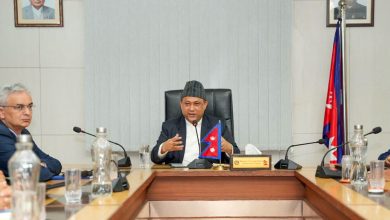
Kathmandu: Foreign Minister Shisir Khanal has stressed the need for Nepal to strengthen its institutions and enhance the role of diplomacy to better cope with climate-induced disasters.
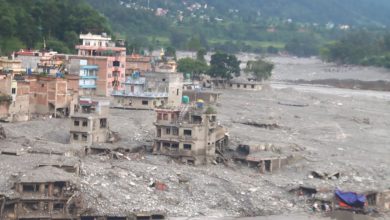
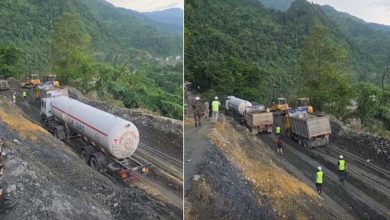
Addressing a meeting of the International Relations and Tourism Committee of the House of Representatives on Wednesday, Minister Khanal said the recent Bhotekoshi flood disaster had forced Nepal to rethink its approach to climate-related disasters.
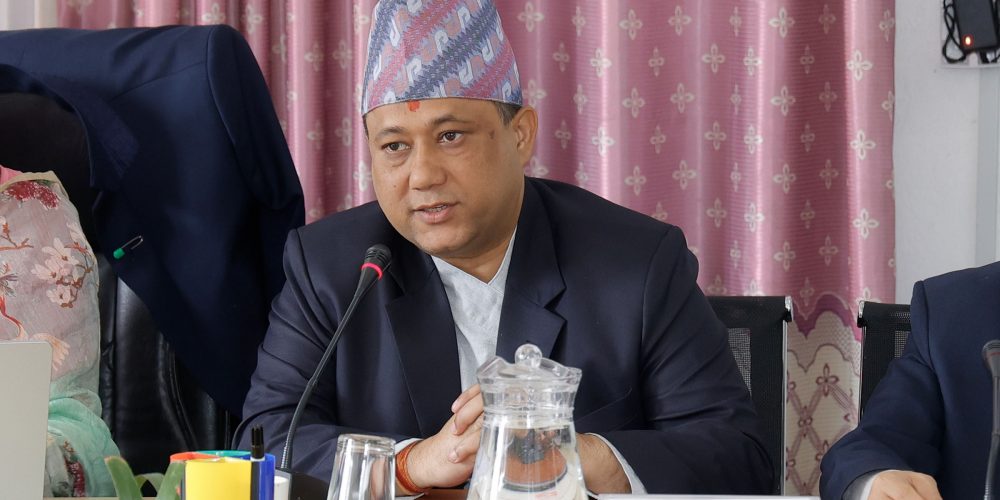
“Reducing the impacts of climate change is the government’s top priority,” he said, describing the Bhotekoshi floods as a “Himalayan tsunami”.
He said the disaster had raised serious questions about Nepal’s development trajectory and its pursuit of prosperity through the expansion of infrastructure.
According to Khanal, river corridors, human settlements and hydropower projects are increasingly exposed to the impacts of climate change, making it necessary for Nepal to move beyond traditional approaches to disaster management and development planning.
“The development gains of the past 25 years have been dented, forcing us to reconsider the narrative of prosperity,” he said. “We need a whole-of-government approach rather than leaving the response to a single ministry or treating the disaster as an isolated event.”
Khanal also stressed the importance of using scientific facts, data and evidence-based advocacy to establish Nepal’s climate agenda and strengthen its position in international forums.
He said Nepal should focus on building a broader international agenda rather than limiting its efforts to immediate agreements during global forums such as the United Nations General Assembly.
“Once a global campaign is built for Nepal, it will help create a favourable environment for the country,” he said.
The Foreign Minister acknowledged that the Ministry of Foreign Affairs is not yet institutionally and directly integrated into Nepal’s participation in major climate forums, including the Conference of the Parties (COP).
“Although we talk about climate diplomacy, the role of the Foreign Ministry within the state apparatus on climate change has not been clearly established,” he said, adding that the government was working towards developing an appropriate institutional framework and a long-term policy.
Minister Khanal also informed the committee that the government plans to formally appeal to friendly countries and the international community for support for recovery and reconstruction after completing the post-disaster needs assessment.
He said the upcoming UN General Assembly would provide an opportunity for Nepal to hold bilateral and multilateral meetings and raise pressing issues, particularly those related to climate change and the impacts of climate-induced disasters.
The Minister said the views and suggestions presented by lawmakers on the recent climate disaster would be submitted to Prime Minister Balendra Shah, as the government has accorded high priority to the issue.
Comments