


Flood-hit districts at risk of infectious diseases, experts urge caution
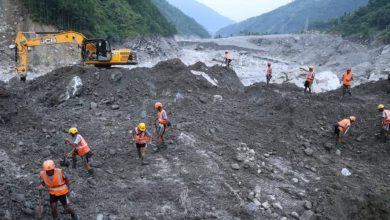
Kathmandu: Health experts have warned of a possible rise in infectious diseases in districts affected by the Bhotekoshi River floods in Rasuwa.
The government has mobilised health services in the affected districts, taking into account the risk of infectious disease outbreaks following the disaster.
Although bodies recovered from the flood-hit areas have been collected, the failure to properly manage dead livestock has raised concerns over decomposition, foul smells and the possible spread of infectious diseases.
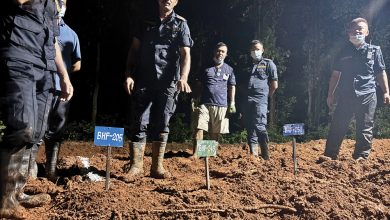
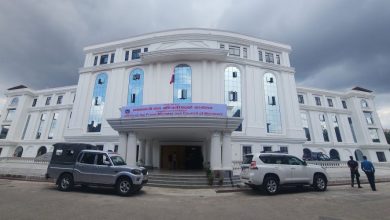
The number of bodies recovered has also exceeded the existing capacity of hospitals. Due to a lack of safe storage facilities, some bodies have started to decompose.
Experts say this has increased the risk of foul smells and diseases spreading in and around the affected areas and hospitals. Contaminated water sources and poor sanitation at holding centres are also raising health concerns.
Dr Samir Kumar Adhikari, Joint Spokesperson for the Ministry of Health and Food Safety, said health camps, health facilities and health workers have been mobilised in the affected areas.
He urged people to remain cautious, saying floodwaters may have brought dead bodies, livestock and other contaminated materials close to homes and drinking water sources.
He said medical services and routine vaccinations are being provided at holding centres, particularly for people with chronic illnesses, pregnant and breastfeeding women, and children.
Public health experts have called for health and sanitation measures to receive equal priority alongside rescue and relief efforts.
Infectious disease expert Dr Sher Bahadur Pun said contaminated water and unsafe food could lead to health problems such as diarrhoea and fever.
He warned that the mixing of floodwater, rubbish and contaminated water with the surrounding environment could increase the risk of bacterial and viral infections.
Dr Pun also stressed the need for the timely management of recovered bodies, saying delays could increase health risks, particularly during the summer.
The floods have also affected the mental health of many people.
Experts say that although natural disasters cannot always be prevented, the risk of diseases following such disasters can be significantly reduced through timely action, proper sanitation and effective management.

Comments