

Regional workshop in Kathmandu stresses rights-based governance of digital platforms
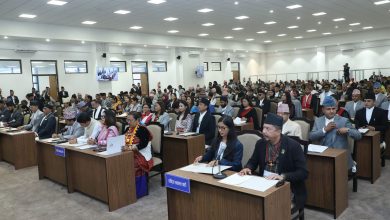
Kathmandu, March 27: A four-day regional workshop on “Safeguarding Freedom of Expression and Access to Information in South Asia” concluded in Kathmandu on Friday, highlighting the importance of rights-based governance for digital platforms.
The event was organized by UNESCO in partnership with Tribhuvan University’s Central Department of Journalism and Mass Communication, with support from the European Union. Participants reviewed the implementation of UNESCO’s Guidelines for the Governance of Digital Platforms under the Internet for Trust (I4T) Initiative.
More than 90 participants from Bangladesh, India, Nepal, Sri Lanka, and the Maldives—including regulators, policymakers, parliamentarians, civil society representatives, journalists, academics, youth leaders, and digital governance experts—discussed findings from national consultations, validated draft regional toolkits, and worked to shape a shared vision for rights-based digital platform governance across South Asia.
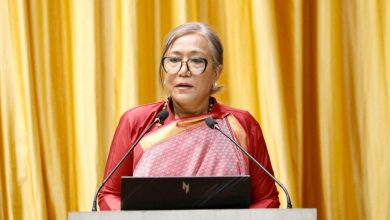
UNESCO Regional Advisor for South Asia, Ma’aly Hazzaz, emphasized the need for a balanced, context-sensitive approach. She said, “The Internet for Trust Guidelines provide a strong framework for advancing inclusive, rights-based digital governance in South Asia, building safeguards that reflect local realities while upholding freedom of expression and public trust.”
EU Ambassador to Nepal, Veronique Lorenzo, added that protecting freedom of expression and access to reliable information is vital for democratic, inclusive, and resilient societies.
According to UNESCO Kathmandu, participants examined the evolving digital governance landscape in Bangladesh, Nepal, and Sri Lanka, identifying common gaps and challenges, including threats to freedom of expression, misinformation, and the need for increased platform accountability and transparency.

Comments