


Israel launches fresh strikes on Tehran, evacuation warnings issued
Jerusalem (ANI): Israel has launched new waves of airstrikes on Tehran, less than an hour after issuing evacuation warnings to nearby residents, the Israel Defence Forces said Monday.
The strikes follow coordinated US and Israeli attacks on February 28 that targeted military command centers, air-defence systems, missile sites, and key regime infrastructure, resulting in the death of Iranian Supreme Leader Ayatollah Khamenei and four senior officials.
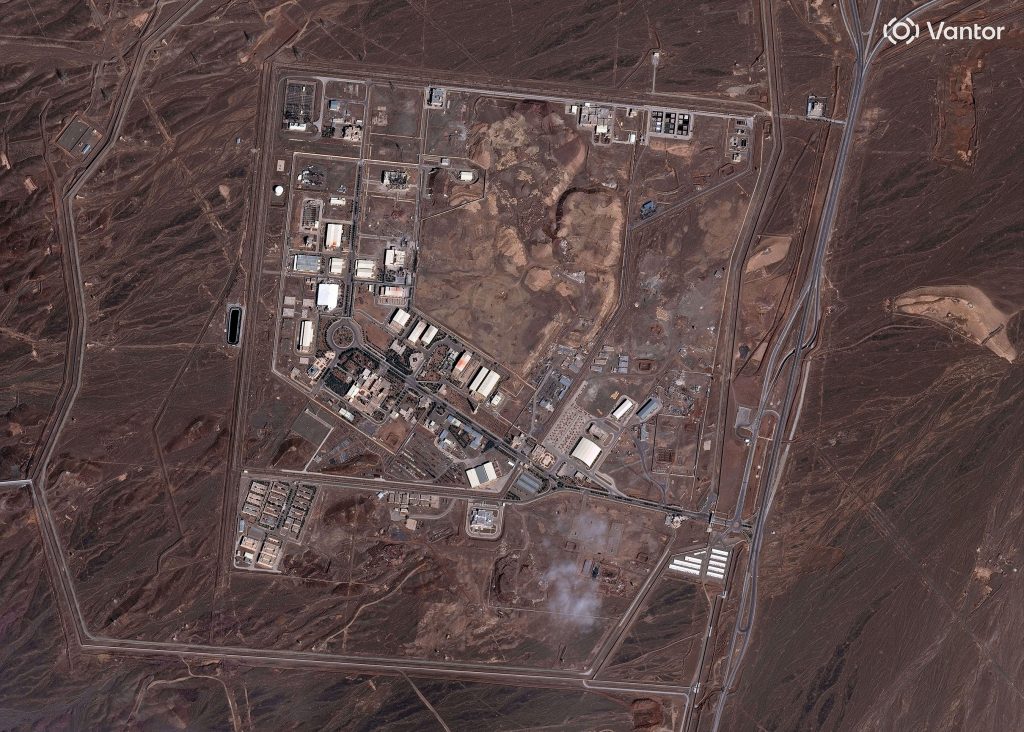
The Israeli military said Monday’s attacks hit a broadcast studio complex of the official Iran Broadcasting (IRIB), as well as Iranian intelligence sites, military bases, and missile launchers. The IDF said the complex had been used by Iranian forces for military activities and propaganda under the guise of civilian operations. Iran’s state media, however, reported that broadcasting has continued without interruption.
Residents of Tehran’s Evin neighbourhood were urged to evacuate for their safety. Similar warnings were issued to civilians in southern Lebanon and Beirut’s Haret Hreik area, near Hezbollah-linked sites.
The IDF confirmed that Iran launched missiles toward Israel in response, and air-raid warnings have been issued in multiple regions. Israeli defence systems are operating to intercept the incoming threat.
The ongoing strikes mark a significant escalation in the conflict, following Iran’s retaliatory missile and drone attacks on US and allied targets across the region, including Bahrain, Kuwait, Qatar, Saudi Arabia, the UAE, Jordan, and Israel.
Oil markets and global security concerns continue to be affected as tensions rise in the Middle East.






Comments