


Nepal Sambat 1147 ushers in New Year, Newa: community observing Mha Puja today
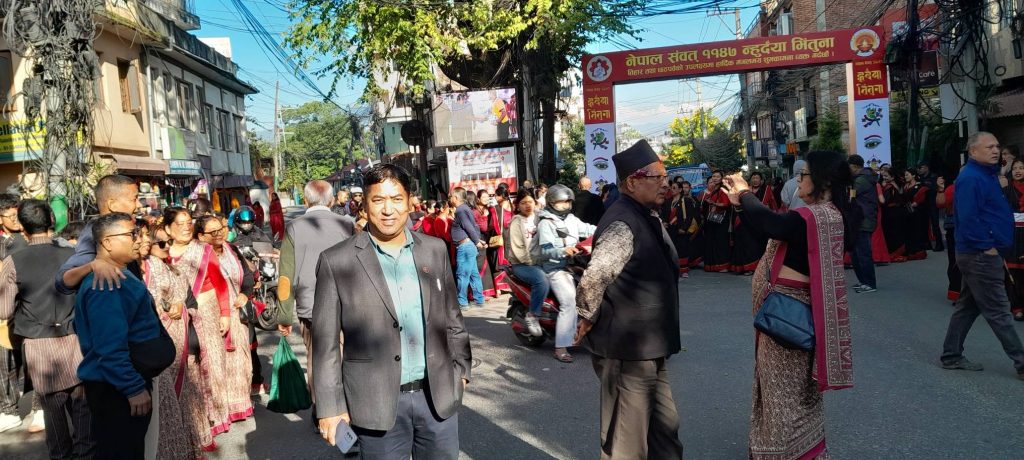
KATHMANDU — Nepal Sambat 1147 is being celebrated nationwide with various cultural programs,as the Newa: community observes the New Year alongside Mha Puja, the traditional worship of the self and soul.
Recognized as Nepal’s indigenous calendar, Nepal Sambat traces its origins back to the Lichhavi period under King Raghavadeva. Historical records highlight that National Luminary Shankhadhar Sakhwa cleared the debts of impoverished citizens to initiate the era in 880 AD (937 BS), establishing a benchmark of social service.
The calendar held national recognition until the reign of King Prithvi Narayan Shah, and efforts to restore its official status began following the introduction of democracy in 2007 BS. Former Prime Minister Krishna Prasad Bhattarai declared Sakhwa a National Luminary in 2056 BS, while former Prime Minister Pushpa Kamal Dahal announced its national recognition in 2008 AD (2065 BS).
The New Year is marked distinctively across Newa: -majority settlements, including Kathmandu, Lalitpur, Bhaktapur, Banepa, Dhulikhel, Barhabise, and Bhimeswor in Dolakha. Traditional practices include closing old ledgers and opening new account books on the day of Kartik Shukla Pratipada.
Mha Puja As part of the New Year festivities, community members observe Mha Puja to honor the self. According to ritual expert Prof. Dr. Ram Chandra Gautam, human consciousness and the soul are regarded as paramount, and worshiping one’s inner self is believed to please deities, secure blessings, and fulfill human life. Because the Pratipada lunar date spanned two consecutive days this year, celebrations varied slightly, with some communities marking the New Year on Monday while others performed Mha Puja today.




Comments