


Yomari Punhi: Celebrating the harvest and the lengthening day
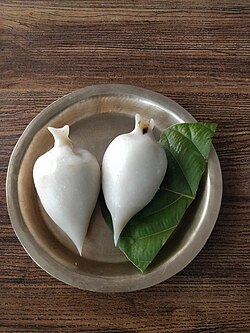
December 4, Kathmandu: The Newar community is celebrating ‘Yomari Punhi’ as a major festival today. Since early morning, Yomari, a delicacy made from rice flour dough, has been cooking in Newar households. A key tradition of this festival, similar to Deusi/Bhailo during Tihar, is for young people to visit homes in the evening, singing traditional songs to ask for Yomari, rice, grain, and money. However, this Malla-era custom, known as Tyaḥchīṃ Tyaḥ, Bakachhīṃ Tyaḥ, is regrettably fading away.
The songs traditionally sung during this evening’s merry-making are integral to the custom. They include verses like:
Tyaḥchīṃ Tyaḥ, Bakachhīṃ Tyaḥ.
Lātāpātā Kuli Chāṃ Jusēṃ Tyaḥ.
Yōmari Chwāmu, Ukiyi Dunē Hāmu.
Bi-umhaḥ Lyāsē, Mabi-umha Burikuti.
Another variant features lines such as:
Tyaḥ Siṃ Tyaḥ Bakasiṃ Tyaḥ.
Thābalē Yāgu Yaḥmari Chha-ga Tī Yaḥ. Byūmha Lyāsē Mabyūmha Sitikuti.
Nya-ga Byūsā Kāy Buī Chha-ga Byūsā Mhyāy Buī.
Tālāpātā Kuli Chāṃ Jusēṃ Tyaḥ.
Yaḥmari Māku Ukī Dunē Chāku.
Vyūmha Lyāsē Mavyūmha Burī-Burī.
Cultural expert Suman Shrestha explains that these songs generally convey the sentiment that those with wealth should give money or grain, and those with Yomari should give the delicacy, while those who have nothing should give their goodwill for cultural preservation. He adds that the Malla-era origin of the song suggests the high status of the Nepal Bhasa language during that time, and the lyrics are also said to hint at themes of one-sided love within the community.
Yomari Punhi is also known as a time-indicator and charity festival (Daan Parva), marking the day from which the daylight hours begin to lengthen and the nights shorten. It is also called Dhanya Purnima (Harvest Full Moon), as it is the time of offering the first of the newly harvested rice.
Cultural expert Shrikumar Joshi notes that the tradition of giving and receiving donations on this day, believing it brings merit (punya), dates back to the Malla period. On this day, women of the house purify themselves and prepare Yomari by kneading rice flour, shaping the top like a pinnacle (gajur) and filling the base with fillings like chaku (molasses), sesame seeds, black lentils, gundpak, or khuwa (condensed milk), and then steaming them.
The Yomari is then offered inside the grain store (dhānkā bhakāri) and other storage places. It is widely believed that doing so ensures a blessing of wealth and grain prosperity. Yomari is considered a symbol of Kuber (God of Wealth) and Ganesh. The tradition includes worshipping the Yomari inside the grain store for four, six, or twelve days before inviting daughters and relatives for a celebratory feast.
According to a legend, a pious couple in Panchal Desh (modern-day Panauti) offered their prepared Yomari to the God of Wealth, Kuber, who was disguised as a poor Brahmin. Pleased with their devotion, Kubera revealed his true form and instructed them to worship Shree Ganesh, Kuber, and Lakshmi by offering Yomari inside the grain store. The couple followed this, and their wealth increased, leading to the development of the Yomari Punhi culture as a means to gain wealth and prosperity through devotion and charity.






Comments