


Info Ministry holds discussion on draft Bill on Media Council, 2083
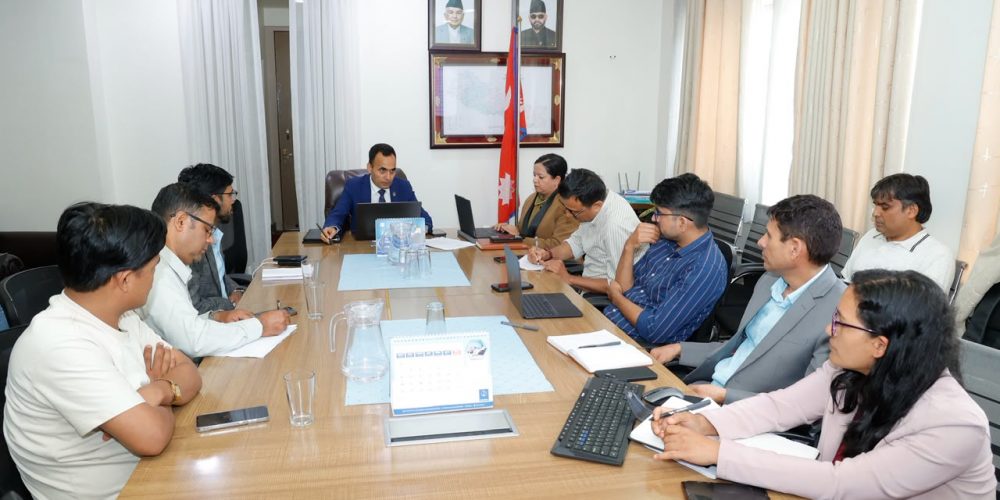
Kathmandu, Aug 7: The Ministry of Information and Communications has launched discussions with stakeholders on the draft ‘Bill on Media Council, 2083’ in a bid to promote press freedom and responsible journalism.
The discussion saw participation of editors, media representatives and organizations working for the rights of journalists like the Federation of Nepali Journalists and the Press Council. The event dwelt on challenges faced by media sector and the regulatory arrangement.
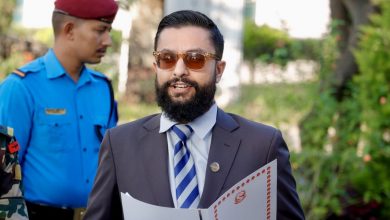
In the discussion held on Friday, Minister for Information and Communications, Dr Bikram Timilsina, reiterated government’s commitment to press freedom, arguing that press freedom is prerequisite for democracy. However, accountability in journalistic practices is an urgent need.
Minister Timilsina also made clear on why an autonomous media council was aimed- to foster clean and responsible journalism, reminding that the current discussions were preliminary and would lead to further enhancement on the basis of stakeholders’ feedback. According to him, it is essential to address present problems of information ecosystem like misinformation, deep fake and the impact of artificial intelligence (AI) on media credibility. A strong balance between regulation and freedoms is equally essential so that responsible journalism would be promoted to guide societal progress, he added.
Participants, including FNJ President Nirmala Sharma, called for a clear demarcation between social media and traditional media, and the Media Council’s jurisdictions on these issues. Suggestions from the FNJ and the Press Council should be paid heed, they said, underscoring the importance of not breaching individual rights while exercising freedom of expression.
The participants had the consensus that a new law was essential in the wake of evolving media landscape. It needs adopting constructive measures and self-regulation rather than control, the stakeholders suggested.
They further recommended prioritization of self-regulation and social responsibility rather than imposition of strict rule. Unnecessary application of criminal laws to media sector would not suit, they viewed. Jurisprudential principles should be paid attention while formulating media-related laws.
The discussants also suggested considering emerging challenges such as artificial intelligence, digital journalism, online platforms and practices of innovative news production in course of legislation. Clear guideline is required to curb the AI-generated contents which discredit media and journalism. Role of the future media council comes here. The status of journalists, bloggers and influencers are other vital topics to be observed by the council.
The discussion also featured the points including establishment of an independent and transparent selection committee for appointing chairman and members at the new media council; cooling off period before appointing media professionals to the council; provision of ‘right to reply’; mandatory self-disclosure for newspapers and journalists; conflict of interest; enhancement of media literacy; proper coordination while preparing Mass Communication Bill, Media Council Bill and Social Media Bill.
Comments