


Hezbollah activity and Israel’s security concerns increase tensions in southern Lebanon
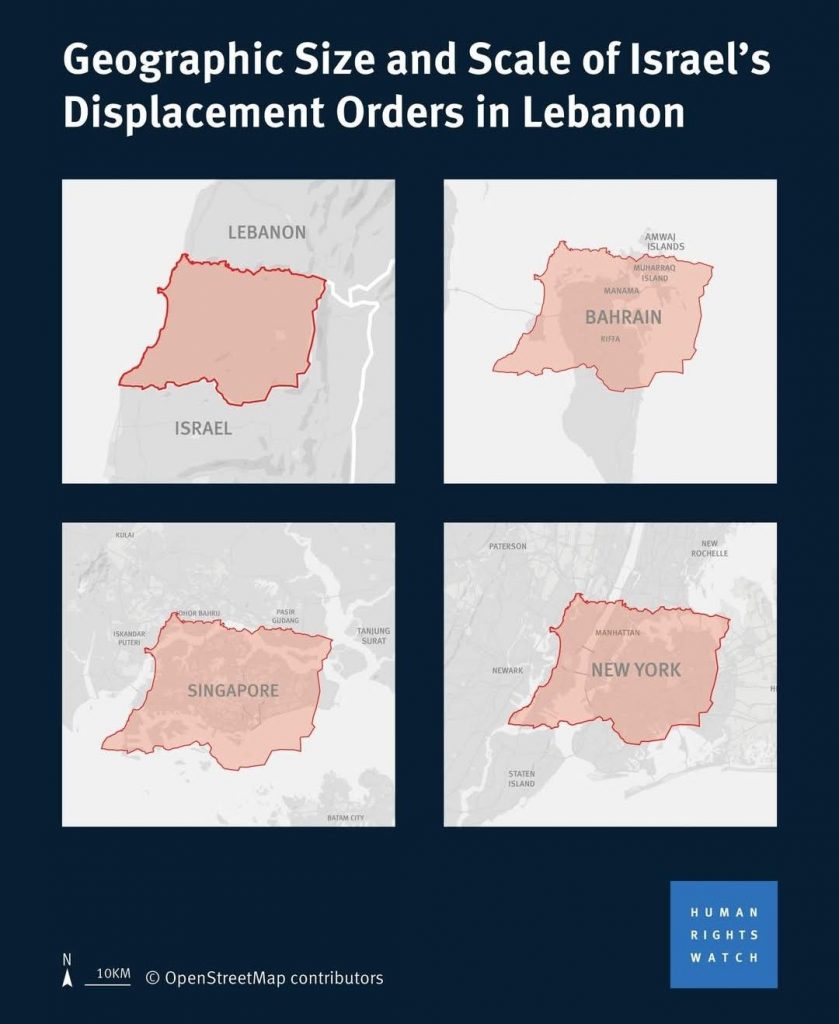
March 31, Kathmandu: A renewed debate is unfolding over developments in southern Lebanon, as security concerns along the Israel–Lebanon border intersect with warnings from international rights groups.
Human Rights Watch has cautioned against the risk of large-scale displacement in the region, raising legal concerns about the movement of civilian populations in the event of further escalation.
However, analysts point to the broader context of continued tensions involving Hezbollah, whose cross-border activity has persisted since the regional fallout following the October 7 attacks. Israeli officials say the threat has made it difficult for many residents in northern Israel to safely return to their homes.
From Israel’s perspective, the issue is rooted in long-standing security concerns. Communities near the border have faced repeated rocket fire, and officials argue that Hezbollah’s presence in southern Lebanon continues to pose a direct threat to civilian life.
Legal experts note that under the Fourth Geneva Convention, temporary evacuation of civilians from active combat zones can be permitted when justified by urgent military necessity or the need to protect civilian lives. Supporters of Israel’s position argue that such measures, if implemented with safeguards, fall within these legal parameters, particularly in areas where armed groups operate in close proximity to civilian populations.
At the centre of the issue is the implementation of United Nations Security Council Resolution 1701, which calls for southern Lebanon to remain free of non-state armed groups and places responsibility on the Lebanese Armed Forces and UNIFIL to maintain stability.
Observers note that, despite the resolution, Hezbollah has maintained a presence in the region, with periodic reports of rearmament and activity within civilian areas. This, they argue, complicates enforcement efforts and heightens risks for civilians on both sides of the border.
At the same time, rights groups stress that any security measures must remain proportionate and avoid long-term displacement. Human Rights Watch has called for close scrutiny of actions that could alter the humanitarian situation or lead to lasting demographic changes.
The debate also reflects broader disagreements over the role of international watchdogs. Organisations such as NGO Monitor and CAMERA argue that coverage of Israel often underplays its security challenges, while Human Rights Watch maintains that its reporting is grounded in international legal standards.
As tensions persist, many analysts point to the need for fuller implementation of Resolution 1701, including limiting armed group activity in southern Lebanon and restoring effective state control. Such steps, they argue, would be key to reducing tensions and allowing displaced populations on both sides of the border to return safely.
For now, the situation underscores the challenge of balancing security imperatives with humanitarian obligations in a volatile and densely populated border region.



Comments