


Call to Strengthen Nepal–India Cooperation for Security and Development
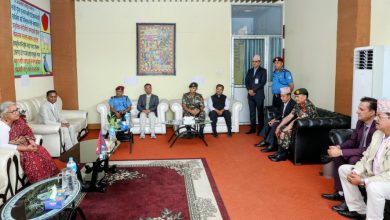
Kathmandu, Feb 10 — Speakers at a discussion programme in Kathmandu have emphasized the importance of enhancing security cooperation between Nepal and India to effectively address cross-border crimes and emerging security challenges.
The talk programme, organized by the Nepal Institute of International Cooperation and Engagement (NIICE) on Tuesday, brought together experts from leading think tanks of both countries. Participants stressed that stronger coordination and timely exchange of information would play a vital role in tackling cross-border terrorism, illegal trade, and the spread of disinformation.
Describing security cooperation as a cornerstone of Nepal–India relations, the speakers noted that Nepal could significantly benefit from India’s economic growth. Issues such as power trade, political stability, expanded transit facilities, and institutional strengthening were also discussed during the event.
Former Indian National Security Advisor and NatStrat Convenor Pankaj Saran said he was encouraged by his interaction with Nepali youths and highlighted the need for young people from both countries to engage actively in shaping the future of bilateral relations.
Executive Vice President of India Foundation Alok Bansal pointed out that India remains a major target of cross-border terrorism, which also has direct implications for Nepal.
Professor Sangeeta Thapliyal of Jawaharlal Nehru University said cooperation between think tanks and academic institutions has positively contributed to India–Nepal relations, adding that there is ample scope to further strengthen such collaboration. She urged both governments to support research and policy-oriented institutions.
Dr Gaurav Saini, Co-founder of the Council for Strategic and Defence Research, described the India–Nepal border as unique due to deep-rooted trade, cultural, and people-to-people ties, while noting that its open nature also presents shared security concerns.
Political and security analyst Major General (Retd) Binoj Basnyat observed that recent Gen Z-led protests in Nepal were not unexpected, though their timing surprised many. While emphasising the importance of elections, he cautioned that without generational change and institutional reform, elections alone may not ensure long-term strategic stability. He termed the post-election phase a “strategic pause rather than a strategic solution” and called for broader dialogue.
Director at PEI Anurag Acharya highlighted key areas such as physical connectivity, trade, and digital connectivity as drivers of improved bilateral ties. He also pointed to emerging opportunities in technology integration, religious and cultural tourism, and new economic ventures.
NIICE Director Sumitra Karki concluded by stressing the need for sustained academic and policy-level engagement to further deepen Nepal–India relations.


Comments